

How Chambers of Commerce Use Job Market Data to Lead Workforce Conversations
As the statewide voice for employers, chambers of commerce serve as trusted advocates for their communities, shaping policy and guiding conversations on issues from workforce development to salary transparency. Their influence with policymakers, businesses, and the public depends on grounding that work in timely, accurate data.
Until recently, chambers of commerce had limited tools to draw on for timely, accurate labor market insights. Member surveys offered valuable perspectives but were anecdotal and limited in scope. Government statistics from agencies such as the Bureau of Labor Statistics provided broader coverage, yet the data was often months old by the time it was published. More recently, reporting has also raised doubts about the reliability of BLS figures, with a CNN investigation pointing to data-processing errors and CNBC coverage detailing political pressure that undermined confidence in the agency’s neutrality. These shortcomings became especially clear during the pandemic and beyond, when legislators and reporters sought immediate answers on hiring activity, wage pressures, and sector trends.
That gap pushed organizations like the Colorado Chamber of Commerce to team up with Aspen Tech Labs, giving them access to real-time job market data straight from employers’ career sites.
The Solution: Real-Time Job Market Data
The Colorado Chamber was among the first to apply this approach. By publishing quarterly reports built on Aspen Tech Labs’ data, the Chamber positioned itself as a trusted source of economic intelligence for members, legislators, and the media. Aspen Tech Labs’ September 2025 data provided a clear snapshot of how Colorado’s economy is shifting. Job postings declined slightly YoY, with rural metros like Canon City and Fort Morgan showing growth while Denver and Boulder contracted. Healthcare and nursing vacancies expanded strongly, while administrative support and warehouse jobs fell sharply.
At the same time, advertised wages climbed 8.7%, giving the Chamber reliable evidence of rising labor costs across sectors. Because Colorado was the first state to mandate salary transparency, these wage insights are particularly robust. The Chamber has used them to reinforce its Vision 2033 plan, strengthen its statewide scorecard, and provide lawmakers with hard data in wage policy debates. In Colorado’s case, job market data has become the backbone of long-term strategy.
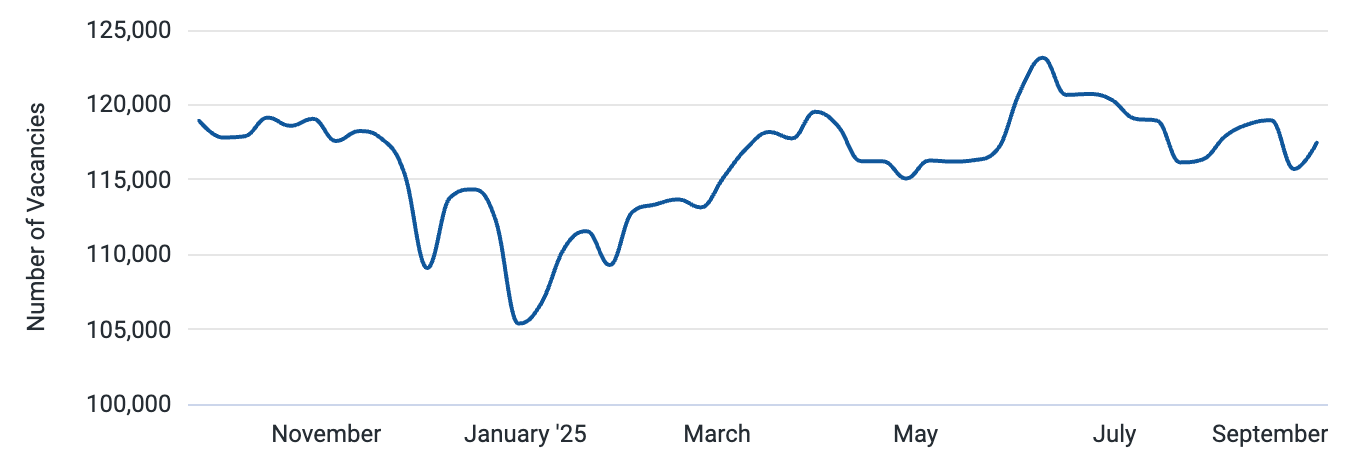
Figure 1: Colorado job postings, past 12 months
Following its success in Colorado, Aspen Tech Labs applied the same reporting framework to Kentucky, producing a statewide labor market analysis in 2025. Here, the emphasis is less on long-term planning and more on benchmarking and policy support. The Kentucky Q2 report revealed a 3.9% decline in vacancies, sharper than the national average, with steep drops in Louisville and Lexington but modest growth in Bowling Green. Legal and construction jobs grew, while nursing lost nearly 2,000 postings in a single quarter. Median advertised salaries stood at $50,003, far below the U.S. average, underscoring Kentucky’s competitive challenge in attracting talent. Salary transparency was included in only 38% of postings, though this was a slight improvement.
For Kentucky, the report establishes a reliable benchmark of the state’s hiring activity, pay levels, and transparency trends. It gives employers, policymakers, and economic organizations a factual baseline for comparing Kentucky’s workforce dynamics to national patterns and identifying where the greatest challenges lie. This demonstrates how a statewide labor market report can serve as a foundation for workforce discussions and future policy analysis.
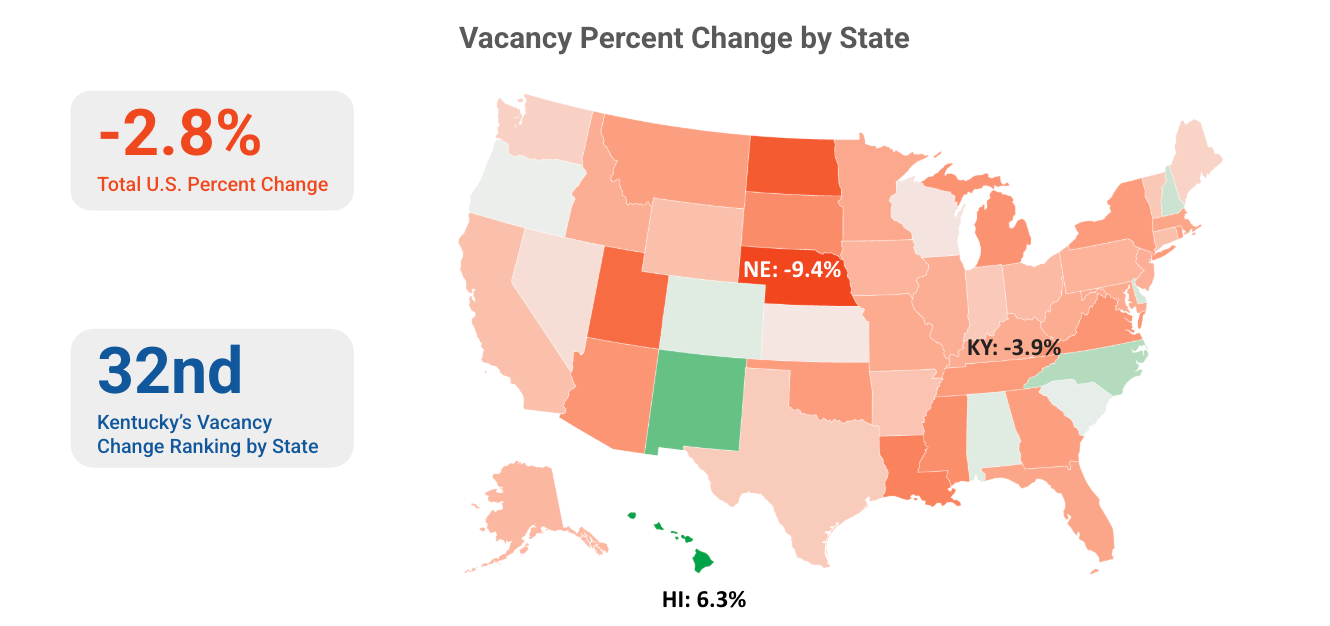
Figure 2: Kentucky Q2 change in vacancies
Missouri’s Q2 2025 report highlights a third dimension: the use of job market data to evaluate employer practices and transparency trends. Vacancies fell by 2.6% YoY, with St. Louis and Kansas City declining while Springfield and Columbia held steady. In contrast to overall contraction, remote hiring grew more than 10%, led by information technology, business services, and human resources. Advertised full-time salaries increased 7.6% to $51,116, with strong growth for merchandisers, teachers, and drivers. Salary transparency advanced to 44% of postings, up significantly over the past year. Major employers such as Walmart, Mercy, and Dollar General accounted for large shares of postings, while companies like McAlister’s Deli and Burlington showed rapid hiring growth.
For Missouri, the report provides insight into how employers are adjusting to changing market conditions. It highlights trends in vacancy levels, salary transparency, and remote work expansion, offering a detailed view of how industries and major employers are responding to shifting labor demand.
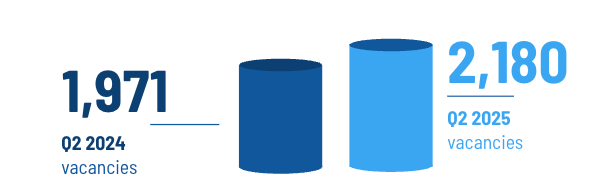
Figure 3: Missouri YoY change in remote job postings
The Result: Greater Authority for Chambers
Aspen Tech Labs’ state-level reports on Colorado, Kentucky, and Missouri illustrate how real-time labor market data can reveal different aspects of workforce dynamics. In Colorado, these insights support long-term strategic planning. In Kentucky, they provide a clear benchmark for understanding wage disparities and workforce pressures. In Missouri, they shed light on employer behavior, salary transparency, and remote hiring trends. Together, these analyses show how state-level intelligence can help chambers move beyond anecdotes and outdated federal statistics to inform their own workforce strategies with timely, factual evidence.
This approach was echoed at the 2025 National Association of State Chambers annual meeting in Kansas City. Dr. Jon Patterson emphasized that legislators rely on chambers for credible, pro-business insights, while Dave Tabor of the Colorado Chamber described how access to real-time data has strengthened his organization’s influence. The message to chambers nationwide was clear: those that master workforce intelligence can lead the conversation on jobs, wages, and economic growth.
What Comes Next
Chambers of commerce across the country are recognizing that outdated government data and anecdotal surveys are no longer sufficient. By integrating real-time job postings and salary insights into their research and communications, they can deliver precise evidence to members, legislators, and the public. This strengthens their credibility, enhances their advocacy, and helps employers benchmark their performance in a changing economy.
For Colorado, the focus remains on executing Vision 2033. For Kentucky and Missouri, Aspen Tech Labs’ statewide reports demonstrate how data can illuminate hiring patterns, pay trends, and transparency shifts that shape policy and business decisions. Across all states, the lesson is consistent: organizations that lead with verified, current data set the standard for how business communities understand and respond to labor market change.
Aspen Tech Labs provides the real-time data that makes this leadership possible. To learn how customized reports can support your chamber’s mission, contact Aspen Tech Labs today.